


The one-hour meeting that saves a six-week search.
The best searches are decided before anyone is contacted. Here is exactly what we cover in a brief, and why the hiring manager should be in the room.
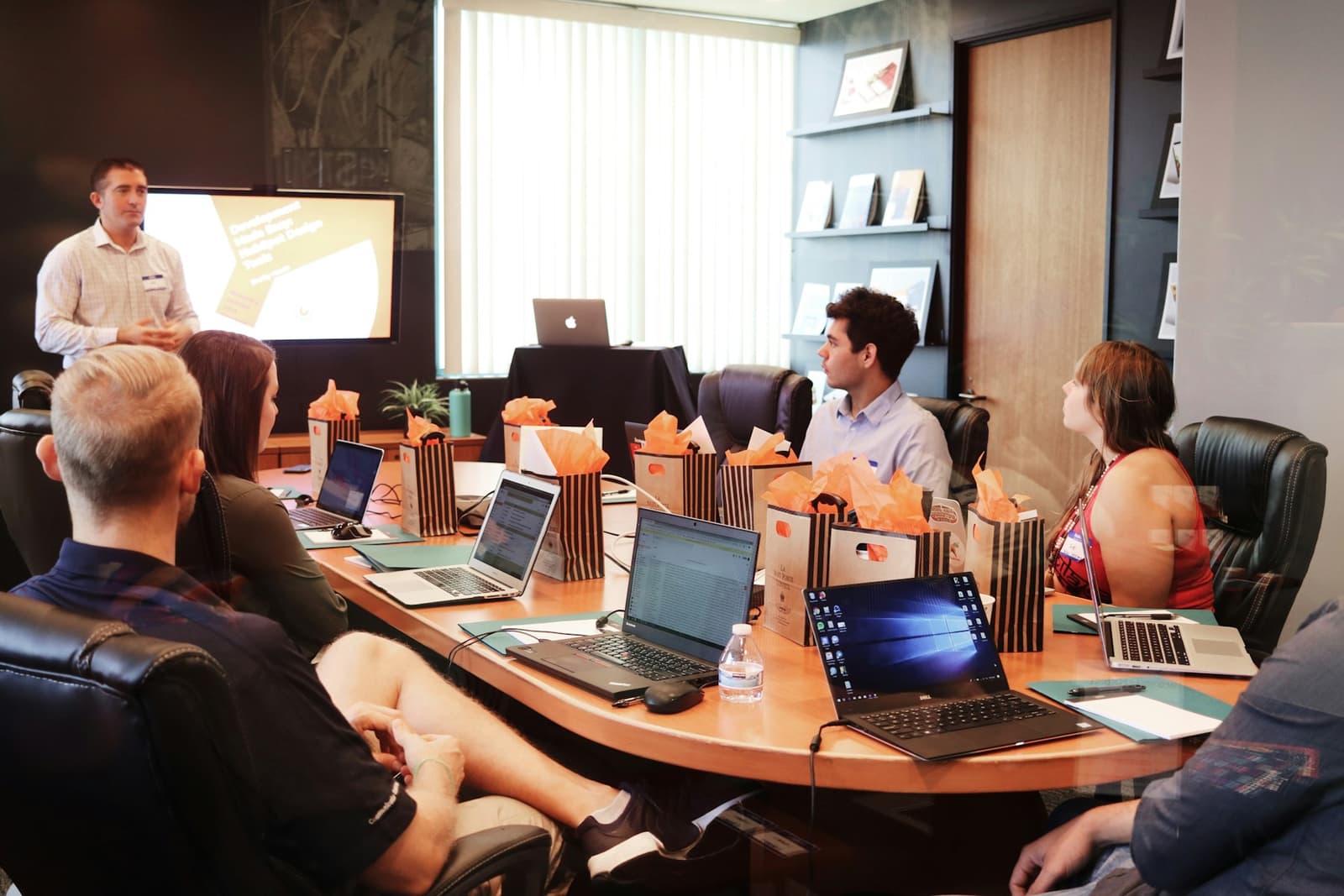
A job description is a legal document. A brief is a conversation about what the person will actually do on a Tuesday, who they will sit beside, what the last hire taught the team and what will make the manager say yes. They are not the same thing, and a search with both moves much faster.
We cover five things: the three outcomes the role must deliver in its first year, the skills that are truly essential versus nice to have, the compensation range and where it sits against the market, the interview panel and its decision process, and the reasons a great candidate might say no. The last one is the one that most often gets overlooked.
One hour, hiring manager present, and the brief is written and signed off before a single approach. The searches we run this way close faster and the hires stay longer. It is the quiet part of recruiting, and the part we never skip.
Public-sector IT hiring, Q3 2026: demand is up, timelines are not.
What we are seeing across provincial requisitions this quarter: more analyst and developer seats, tighter submission caps, and clearance turnaround as the real bottleneck.

Compensation signals from live searches: where offers are being accepted, and where they are not.
A mid-year read on pay across the IT and technical roles we place, drawn from offers made and accepted rather than surveys.

Keeping great candidates engaged between the final interview and the offer.
Four moments in the hiring process that matter most, and the small habits that make them work.


Tell us about the role. We will tell you how we would fill it.
Email us, or send a brief through the form. A recruiter gets back to you within one business day.